|
1. Overview
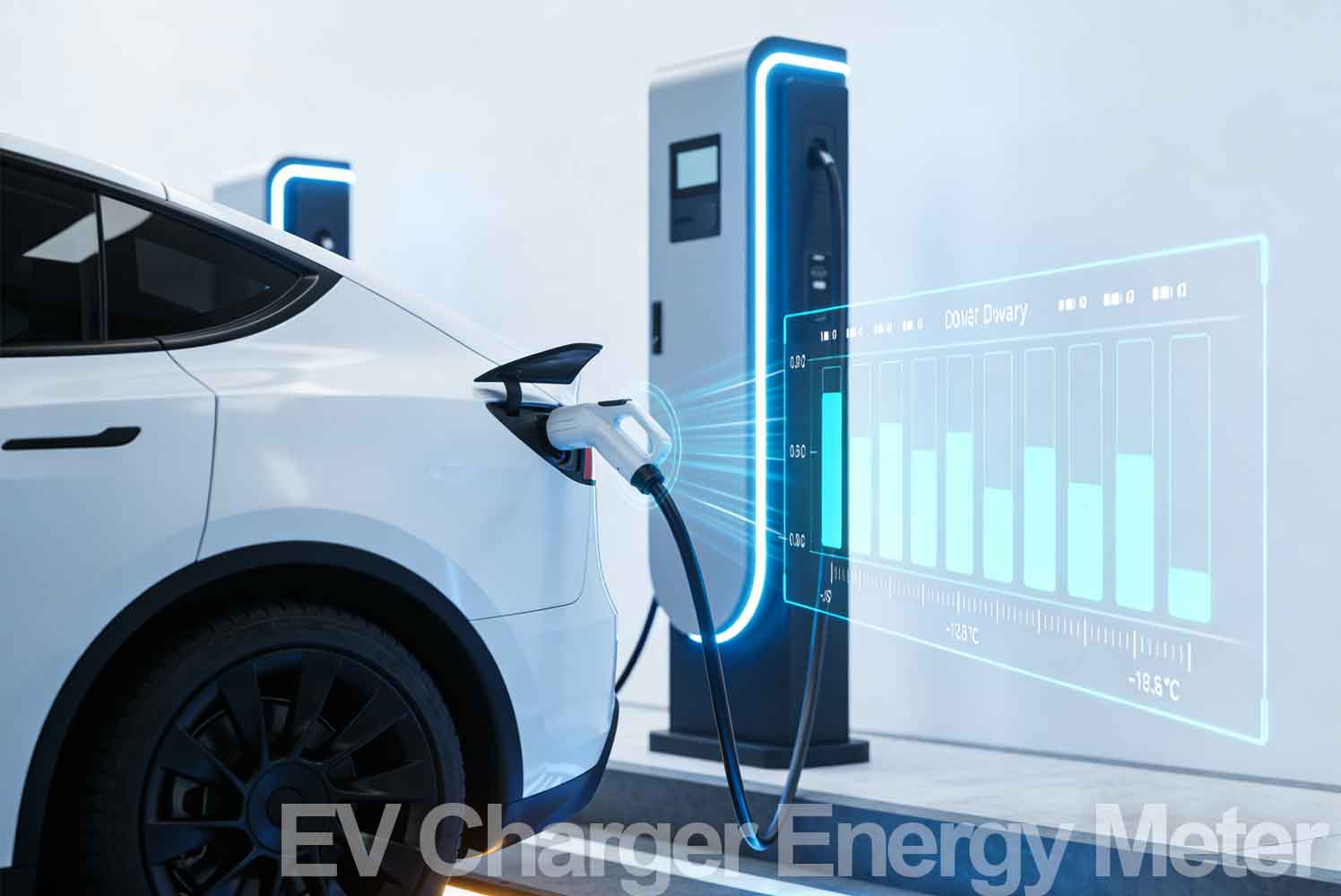
Electric vehicle (EV) charging stations, including DC fast chargers and AC slow chargers, are critical infrastructure for supporting the rapid growth of the EV market. To ensure fair billing, operation efficiency, and regulatory compliance, high-accuracy energy meters are essential for monitoring real-time energy consumption and verifying charging transactions.
|
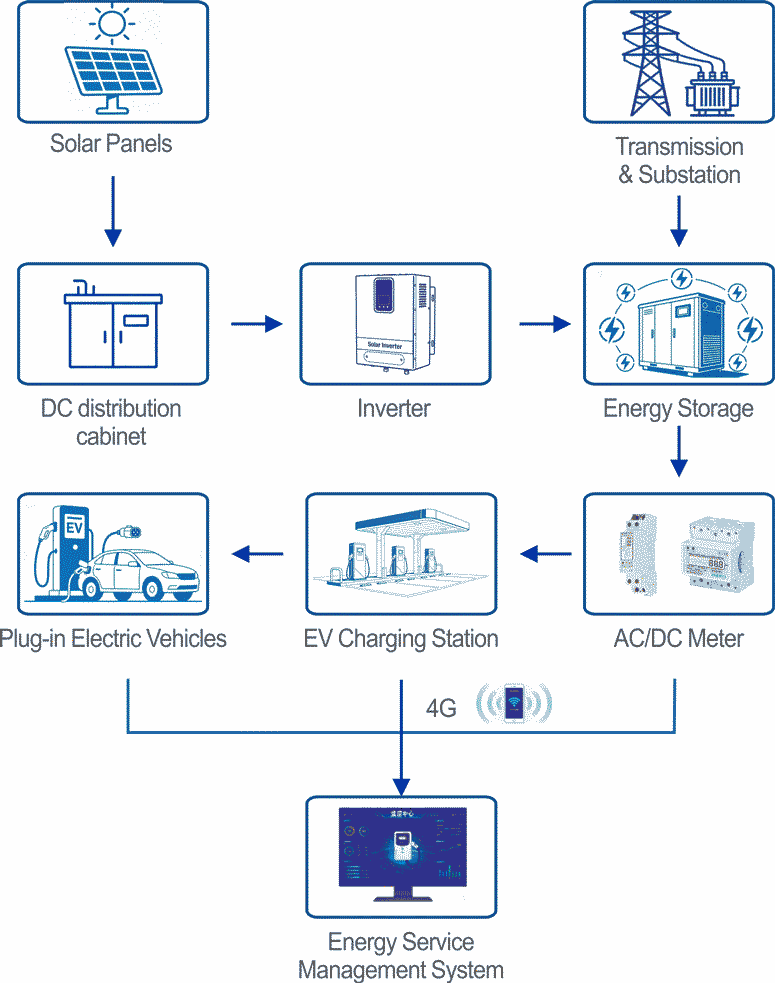
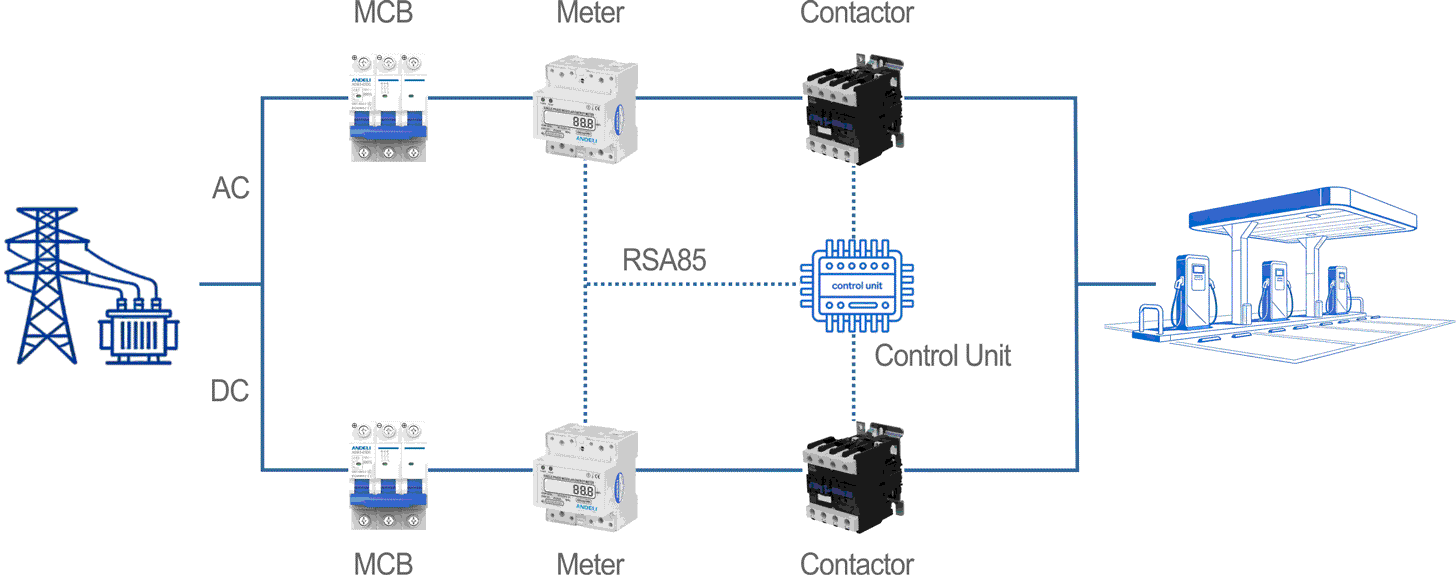
Working Principle Sample
|
|
2. Core Functions
- Bidirectional Metering: Measures both grid-to-vehicle (forward) and vehicle-to-grid (reverse) energy for accurate billing.
- High Accuracy: ±0.5% to ±1% error tolerance (Class 0.5S/1.0) for DC/AC systems.
- Real-Time Monitoring: Tracks voltage, power, and energy flow.
3. Key Features
- Communication: RS485 interface and optional Wi-Fi/IR for remote data access.
- Safety: Overload protection, anti-tamper design.
- Certifications: MID (EU), GB/T standards.
4. Applications
- DC fast charger and AC slow charger are compatible with residential/ commercial setups
- Hybrid systems with dual-port meters for multi-gun chargers.
5. Installation Tips
- Use shielded cables for RS485 to avoid interference.
- DIN rail mounting for compact spaces (e.g., charging stations).
EV charger energy meters must balance precision, security, and adaptability to meet global regulatory standards and evolving grid demands. By adopting solutions like ANDELI MID meters, operators can ensure transparent billing, enhance customer trust, and future-proof infrastructure for high-power DC and smart AC charging ecosystems.
|